Black pepper is the most traded spice in the world, and it is traded by grade. Understanding grades helps you compare quotes fairly.
Bulk density (grams per litre)
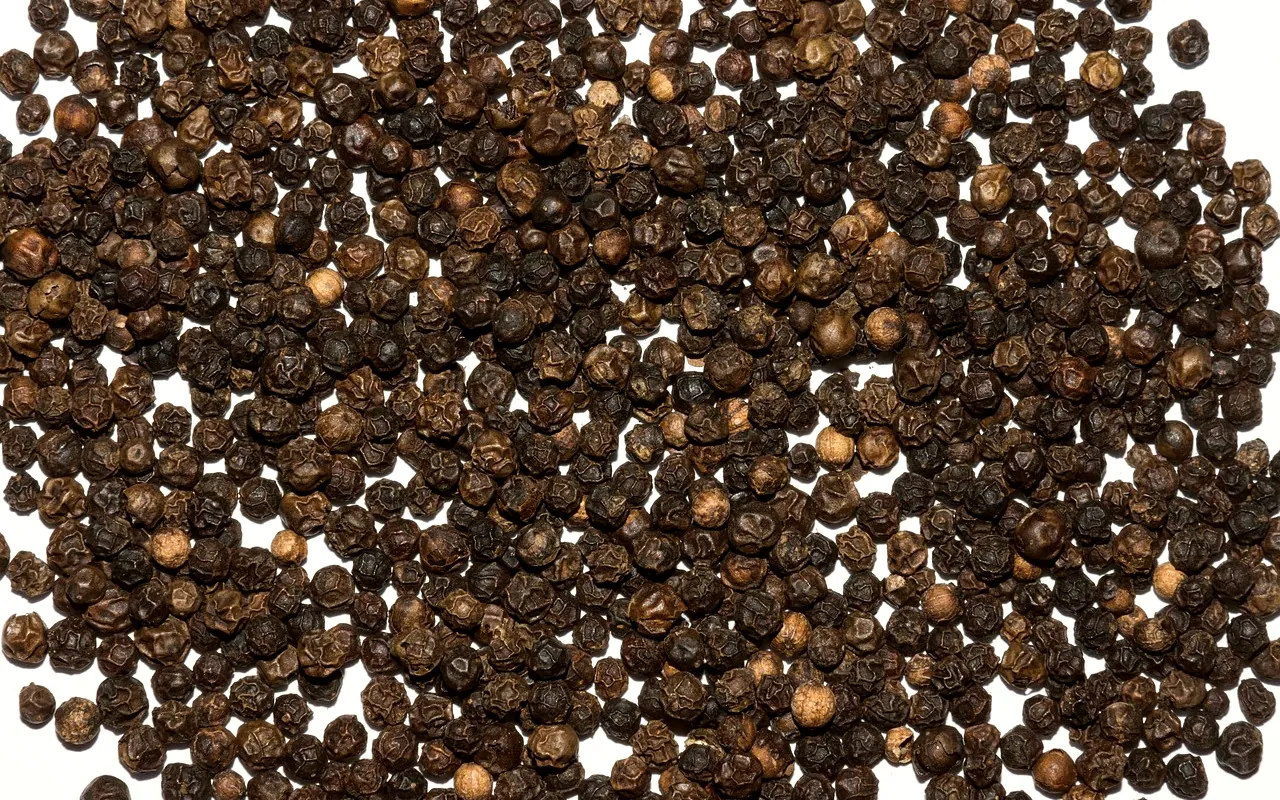
The most common way to grade black pepper is by bulk density — how much a litre of peppercorns weighs. Heavier pepper (for example 550 or 570 g/l) has more mature, solid berries with fewer light or empty ones. Lighter grades such as 500 g/l cost less and suit grinding.
Size
Peppercorns are also sorted by size, such as 4 mm, 5 mm or “bold”. Larger, uniform berries are preferred for table pepper and grinders.
Origin
Vietnam, India, Brazil and Indonesia are the leading origins. Each has its own grading traditions and flavour profile, so specify origin if it matters to your customers.
Cleanliness
Look at moisture (usually a maximum of 12%), light berries, foreign matter and microbiology. Steam-sterilised pepper is common for food manufacturing.
Pungency and aroma
Piperine gives pepper its heat; volatile oil gives its aroma. Ask for both on the COA if flavour strength matters.
Which grade should you buy?
- Retail and grinders: bold, high-density grades.
- Food manufacturing: mid-density grades, often steam-sterilised.
- Grinding and extraction: lighter, lower-cost grades.